

This article covers the key automotive developments in Singapore in 2025, including market trends, new model launches, emerging electric vehicle players, and major industry shifts. It highlights the significant changes that have shaped the local motoring landscape over the past year.
Shifting Car Brands And Market Leaders
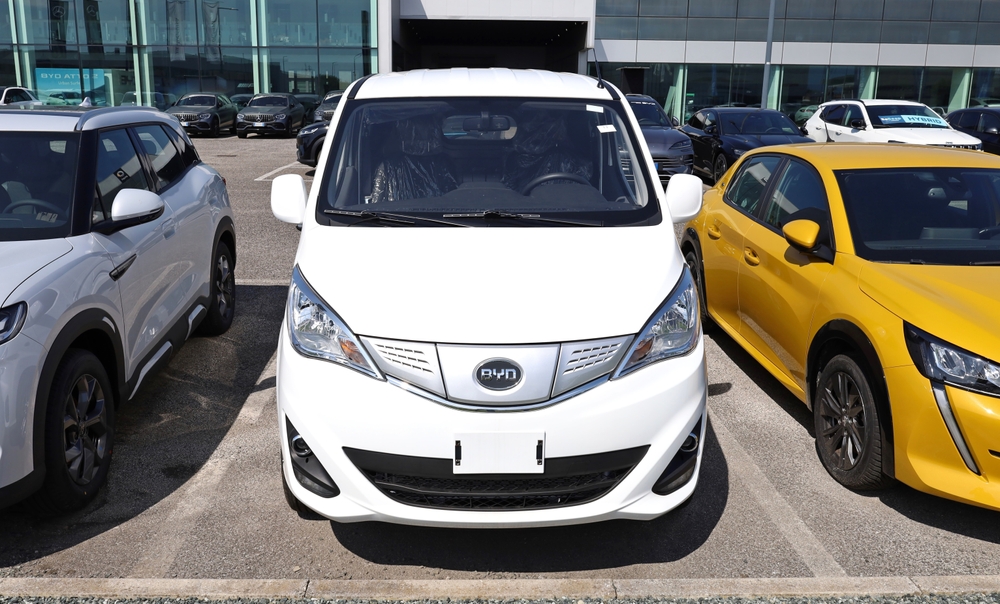
Singapore’s car market in 2025 saw some clear shifts in who topped the charts. Chinese automaker BYD registered 7,473 cars in the first nine months of 2025, giving it about 19.7 per cent of all new car registrations and putting it firmly ahead of Toyota. Toyota, including Lexus, placed second with 5,446 units, or around 14.4 per cent market share over the same period.
This was a notable change in a market long dominated by Japanese brands. BMW and Mercedes-Benz followed with roughly 11 and 11 per cent market share respectively, while Honda sat just under 10 per cent, even as more traditional names like Nissan slipped in the rankings. On the model level, the Toyota Corolla remained Singapore’s best-selling car and grew its volume by around 31 per cent year-on-year, with the Mazda3 close behind after posting just under 23 per cent growth.
Electric Vehicles Move Into The Mainstream
The electric vehicle (EV) scene remained a focal point, but with mixed results compared to the wider region. EVs made up about 43 per cent of new car registrations in Singapore in 2025, up from 18.2 per cent in 2023, even though they still accounted for only around 6.3 per cent of the total car population. Premium brands such as BMW capitalised on this shift, taking nearly 50 per cent of the premium EV market and remaining the top premium automotive brand and second overall by total registrations. New launches like the one-off BMW i7 Singapore Icons edition, created to mark Singapore’s 60th anniversary and 40 years of BMW Asia, underlined the brand’s push into electrification while tying it to local history and identity.
Highlights From The 2025 Singapore Motorshow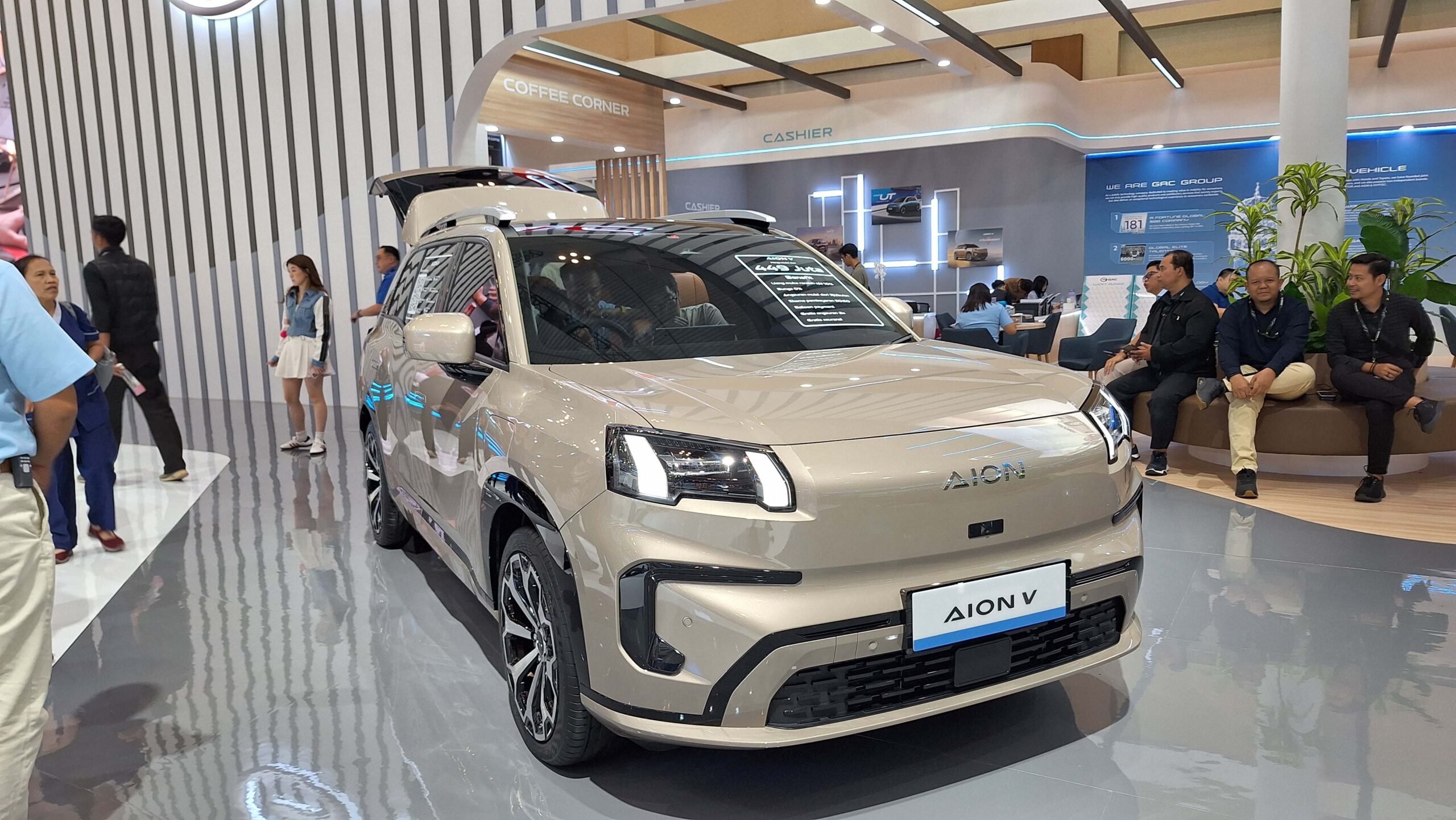
The 2025 Singapore Motorshow continued to be a significant event in the automotive calendar, introducing fresh models from global and emerging manufacturers. Notable arrivals included high-tech electric models like the Aion V and Hyundai Tucson AWD with upgraded features and electric powertrains.
Chinese automotive newcomers such as IM Motors launched their latest tech-forward sedans and coupe-SUVs, aiming to challenge traditional players in Singapore’s competitive EV market.
How Tesla, Kia And Hyundai Performed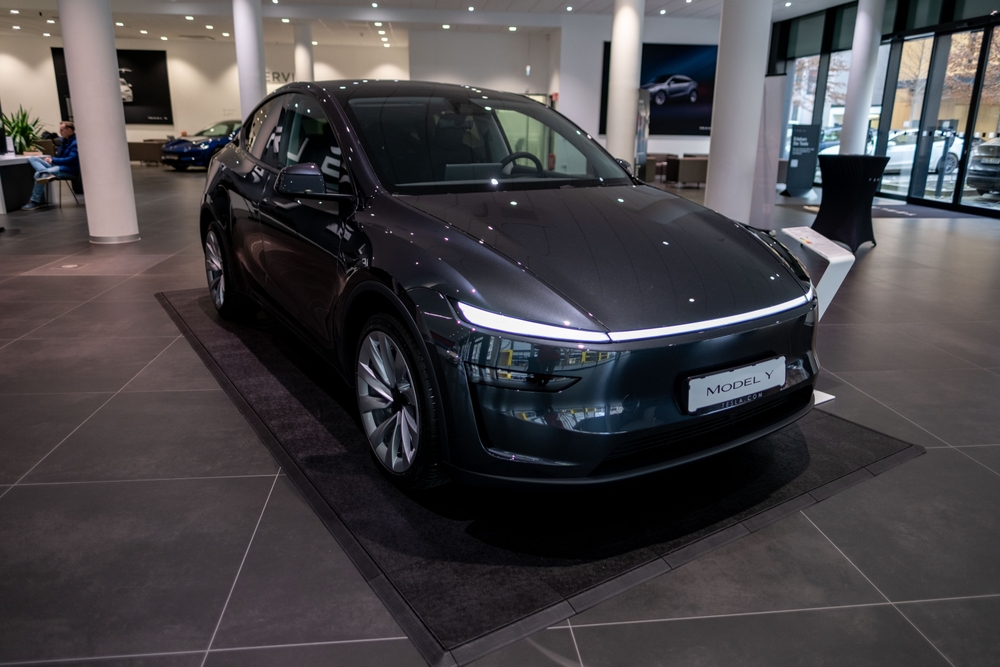
Market data also showed that Tesla, despite its global EV stature, trailed some competitors within Singapore, ranking sixth in sales but still growing by over 90% compared to last year. Kia and Hyundai displayed strong growth, with Kia doubling sales from the previous year, signalling increasing consumer acceptance of non-luxury EV brands.
Supercars And The High-End Segment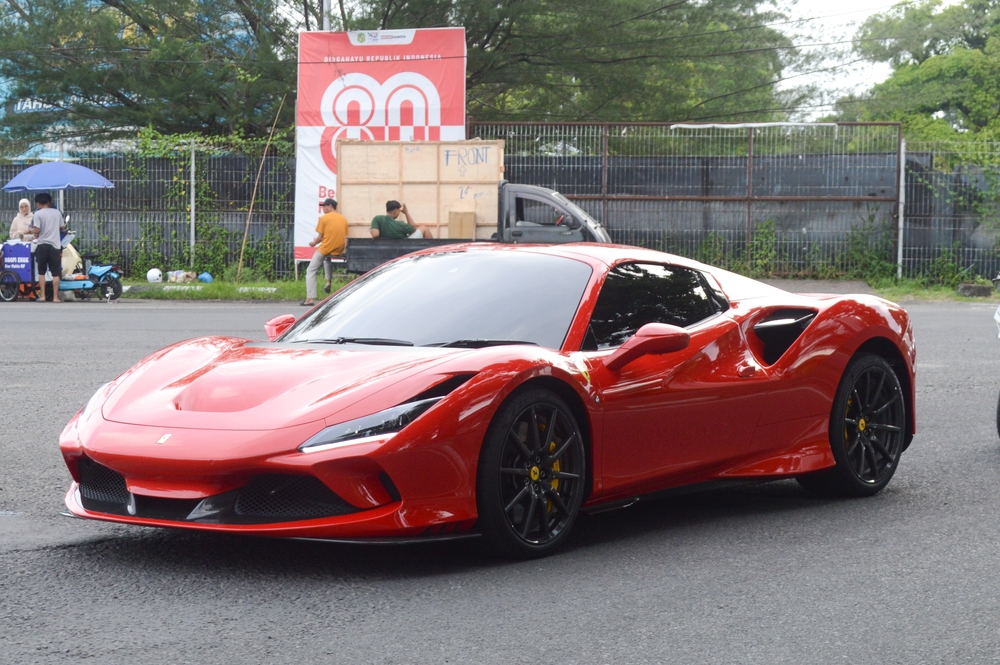
Luxury and performance also remained important in Singapore’s automotive landscape. Ferrari was prepared to launch its new flagship F80 hypercar by year-end, promising over 1,100 horsepower with advanced hybrid technology. This launch highlights Singapore as a market receptive to cutting-edge and exclusive vehicles, despite its compact size and urban density.
Policy Changes, COE Trends And EV Incentives
Policy and regulatory changes also shaped 2025’s automotive scene. The government continued rolling out measures to support electric vehicle adoption through incentives, while managing traffic and environmental concerns. For instance, though COE (Certificate of Entitlement) policies remained a major cost consideration for new car buyers, adjustments hinted at modest easing in premium prices early in the year.
The used car market remained robust as well, showing buyers’ inclination towards value-for-money choices amid fluctuating new car prices. Professional car storage and maintenance services saw rising demand, indicating that enthusiasts and collectors still kept classic and high-performance vehicles despite the push for electrification.
The Role Of The Used Car Market
Looking ahead, the Singapore automotive market in 2025 was marked by a gradual but persistent shift towards electrification with a diverse range of players. New mid-tier and premium EV brands are gaining ground. Market leaders like BMW and BYD are expanding their portfolios, while legacy brands adapt to maintain relevance in a fast-evolving landscape.
What 2025 Says About The Road Ahead
In summary, 2025 was a year of steady change and innovation in Singapore’s automotive scene. The dominance of established leaders was challenged by new entrants, electrification continued to accelerate, and the consumer demand landscape shifted accordingly. This complex interplay points to an exciting but measured transition towards a more sustainable and diversified motoring future in the city-state.