

Thinking about modding your car or motorcycle in Singapore? Before heading to the workshop for tinted windows, body kits, or fancy LED underglow, learn the laws from the Land Transport Authority (LTA). This guide breaks down which customisations are legal, which need approval and what could land you a hefty fine.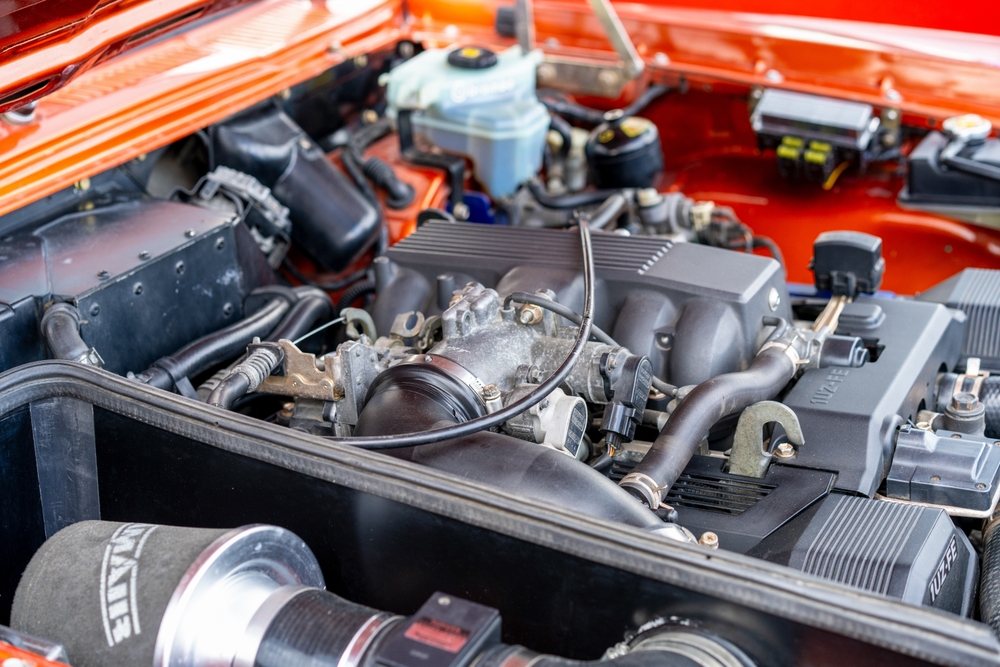
Upgrading your vehicle can be fun and lets you express some style, but Singapore’s rules are strict. LTA keeps a close eye on modifications for safety and environmental reasons. So, before replacing that exhaust or adding flashy lights, know exactly what is allowed, and what isn’t.
Modding your car or bike changes it from the factory standard. In Singapore, any alteration to a vehicle system or part, from wheels to engines to body panels, counts as a modification. The LTA splits mods into illegal, those needing approval, and those that don’t need approval. Some seem harmless, like changing tyres, but even small tweaks can be risky if they break LTA rules.
What’s illegal
The list of banned modifications is long, as LTA’s goal is to protect both drivers and the public. Installing air horns, crash bars, or loud aftermarket exhausts on cars and bikes is a no-go. Decorative lights, like neon underglow or strobe kits, are banned because they distract other road users.
Removing motorcycle chain guards or tampering with engine capacity is also prohibited. The penalty can be harsh: a fine up to $5,000, imprisonment of up to three months, or both, with double the punishment for repeat offences.
Window tinting limits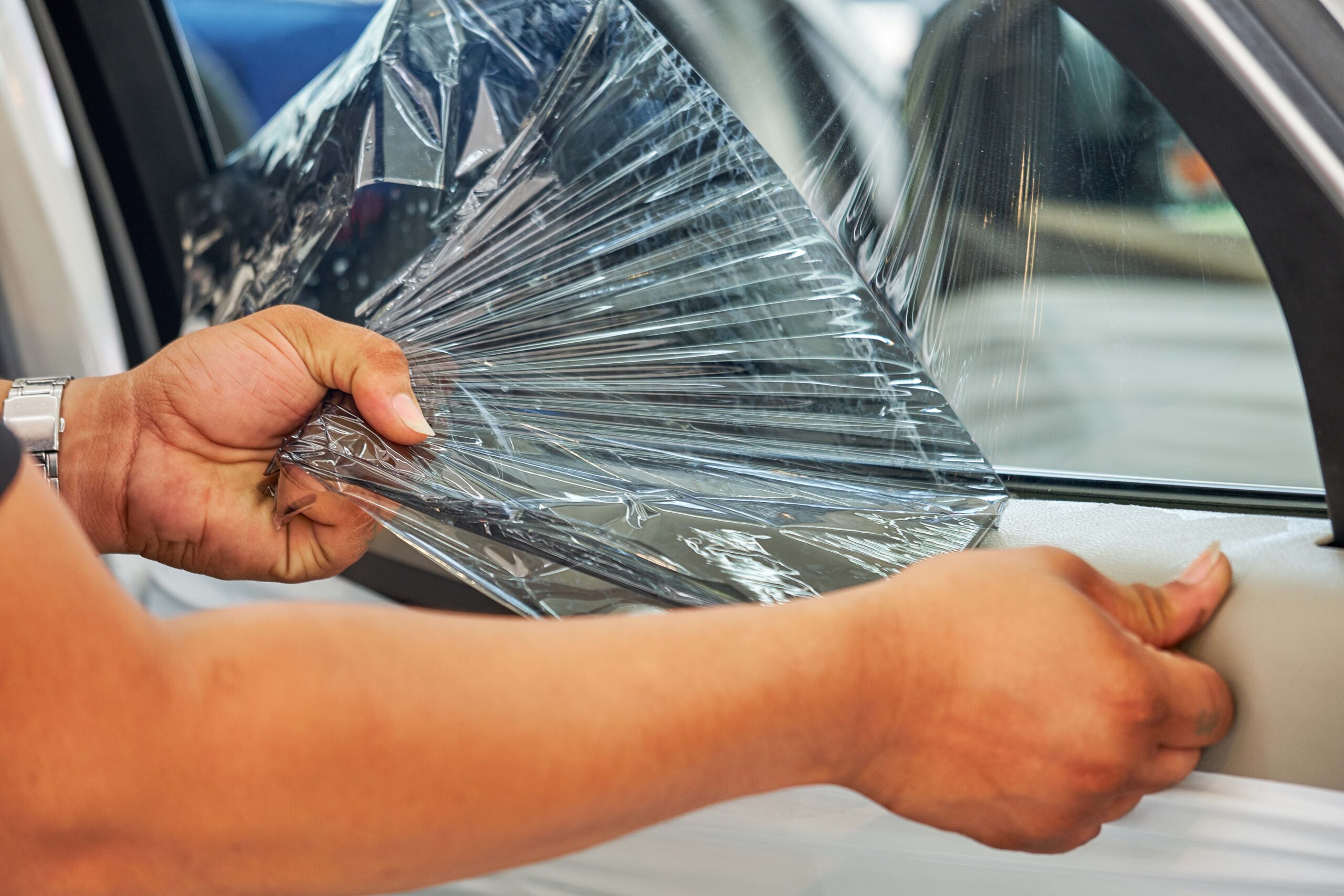
Tinted windows are popular in Singapore, especially for the heat. The LTA rules say front windscreens and the two front side windows must allow at least 70% of light through. Rear windscreens and the back windows only need 25%. Anything less is illegal. Also, the tint must be non-reflective and must not interfere with the on-board unit (OBU) for ERP to ensure the device communicates properly with ERP gantries.
During inspections, LTA officers use special meters to test Visible Light Transmission (VLT). If your tint fails, you’ll need to get it replaced and pay a fine. If you try to cheat the test or use fake documents, penalties can get even worse.
No-go lights and underglow
LED underglow and decorative lamps sound cool, but they are forbidden on public roads. LTA rules make them illegal because they’re distracting, cause glare and visibility issues, and can confuse other road users who might mistake them for emergency vehicles. The only lights allowed must be original factory-fitted lamps or approved for use in Singapore. Even adding extra spotlights or masking headlights with dark films can put you on the wrong side of the law.
Body kits and exterior mods
Body kits are a grey area. Swapping bumpers, spoilers, or side skirts is legal as long as the parts don’t stick out dangerously or affect vehicle safety. But wild modifications that change your car’s size, weight, or how it drives need LTA’s approval. The body kit can’t cover identification numbers or block lights and signals. It’s best to ask the workshop for certification and check with LTA before changing anything big.
Tyres and wheels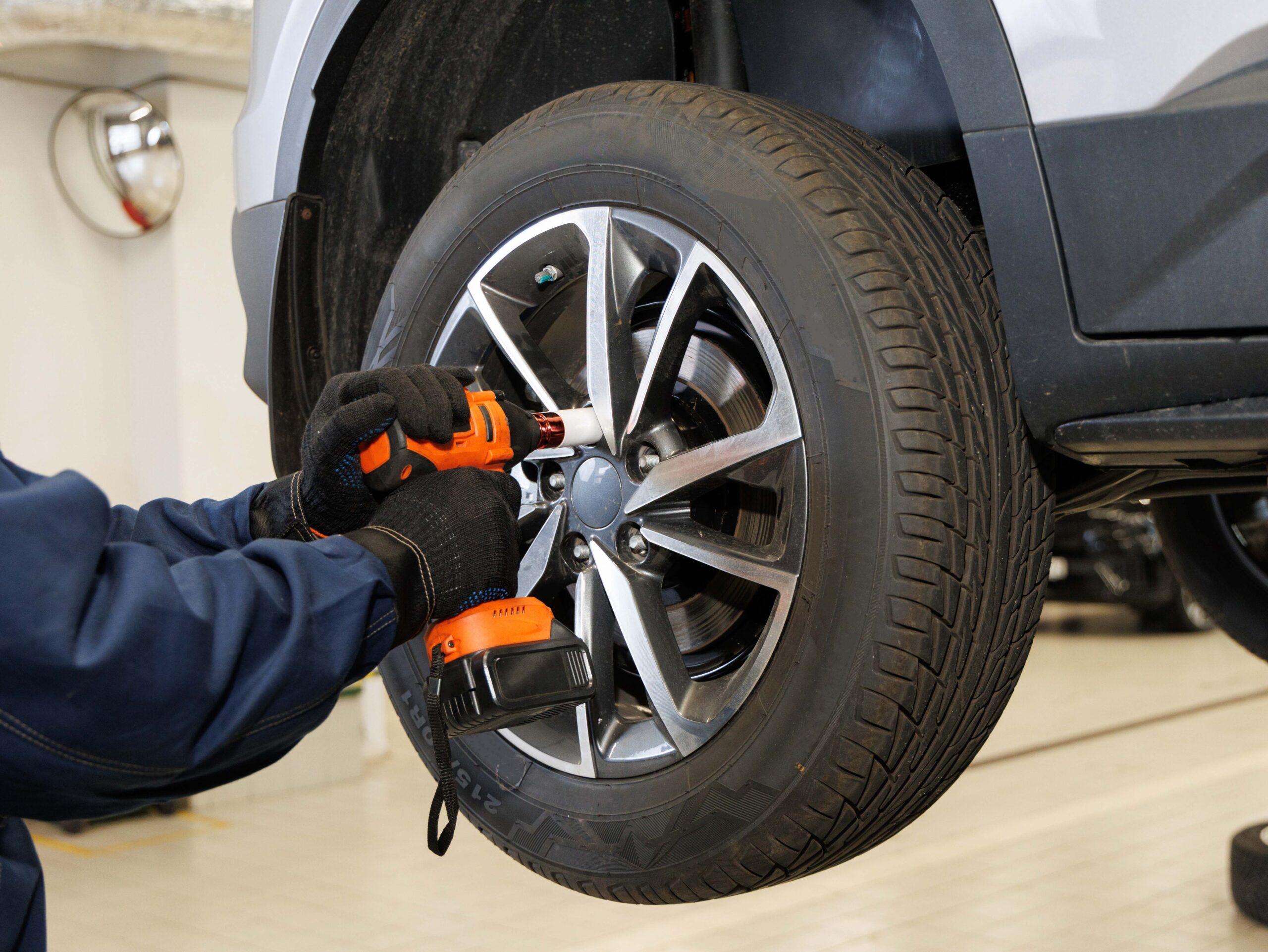
Changing tyres is allowed without LTA approval, but there are rules. You must use tyres matching the manufacturer’s recommended size and type. They can’t stick out from the body, and off-road tyres aren’t legal for normal road use. Mistakes here can affect handling and road safety, so don’t just pick the widest or flashiest set for looks alone.
Performance modifications
Performance mods are where many people get caught out. Upgrading your exhaust, engine power, or fuel system often needs LTA approval. Aftermarket exhausts must be LTA-certified and not too loud; tuning the engine for more power usually comes with higher road tax and mustn’t break emissions rules. Cheap or improperly manufactured parts may fail or damage your engine, so it’s important to use certified, quality components.
Simple tweaks like changing the gear knob or adding in-car entertainment usually don’t need approval, but any mod that affects noise, emissions, or safety does.
Motocycle-specific rules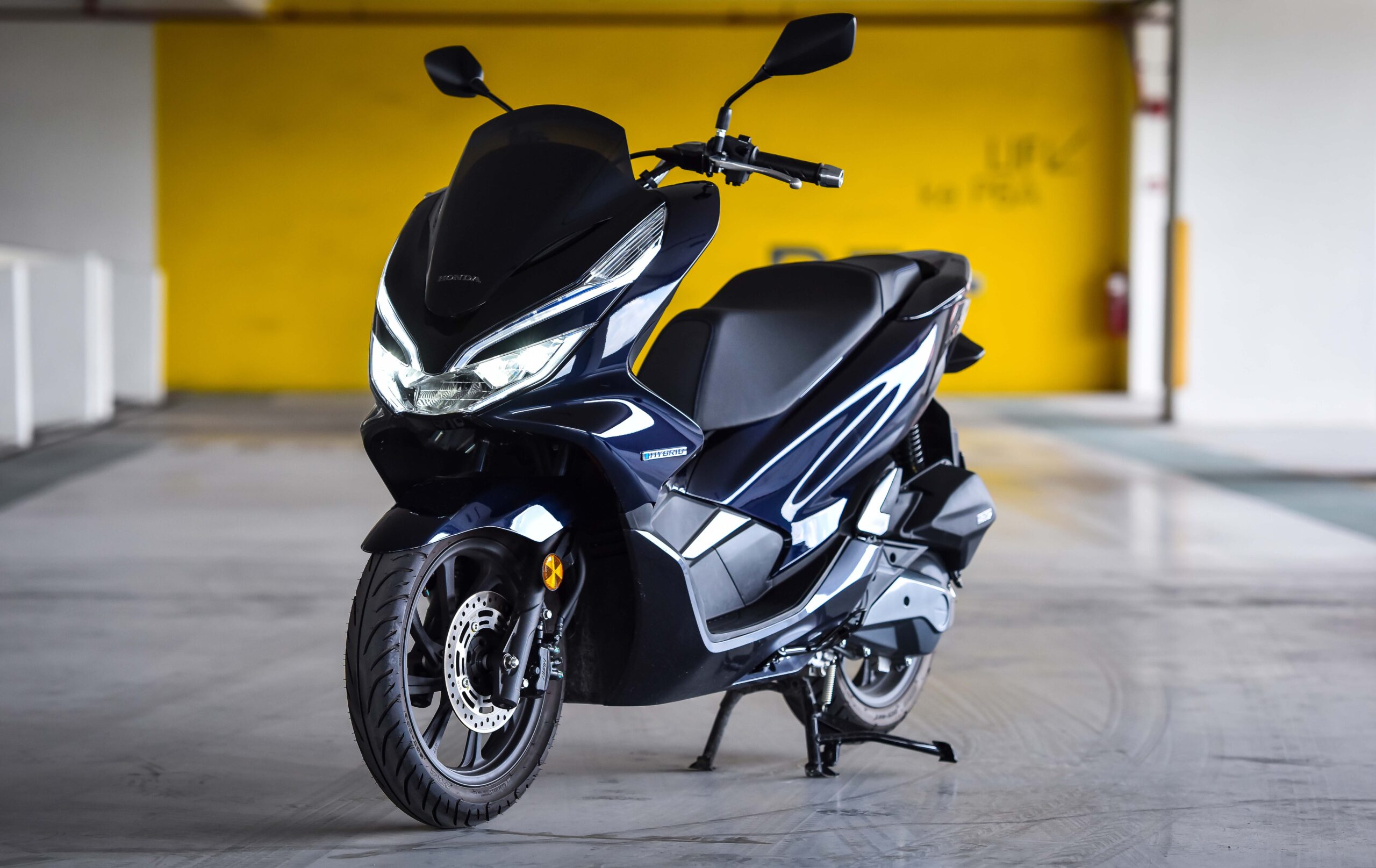
Motorcycle mods follow almost the same rules. Custom paint, decals and some LED strips are allowed, but must match LTA guidelines for visibility and placement. Illegal changes include removing chain guards, adding crash bars, and loud exhausts not approved by LTA. For all changes, check with the workshop and get documentation—if stopped, you must show proof.
Inspections and enforcement
The LTA runs regular inspections. Cars older than three years need routine checks at approved centres, so illegal window tints, noisy exhausts, or flashy lights will be spotted. Roadside spot checks are common, too. If your car or bike fails, you’ll get a summons, must fix the issue, and face fines. Don’t risk trying to beat the system; the consequences aren’t worth it.
Insurance implications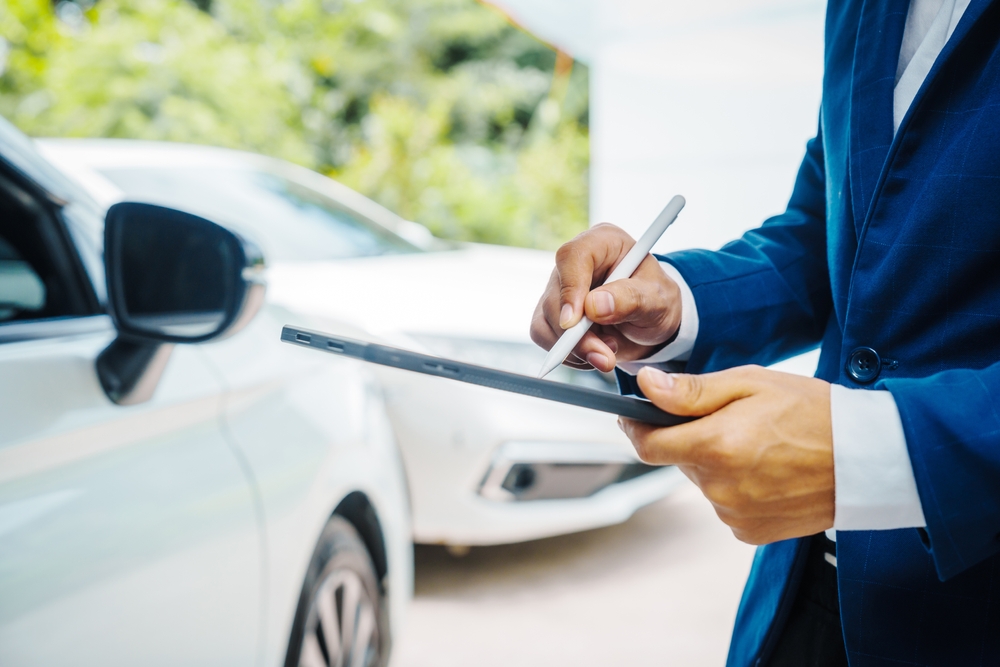
Even if a modification is legal, many insurance firms want you to declare any change from the factory condition. Modifying without telling your insurer can void your policy. If the modification needs LTA approval, get written proof for your records and share it with the insurer.
Why sticking to the rules pay off
Rules for vehicle modifications exist to ensure safety, protect road users, and prevent environmental harm. The LTA regulates mods because unsafe changes can compromise vehicle control, increase risks in accidents, or cause noise and pollution. Some mods are outright illegal, while others require LTA approval to ensure compliance with safety and emission standards. Following these rules not only keeps roads safer but also preserves your vehicle’s value and reliability. To mod legally, check LTA’s website, use licensed workshops, and keep all documents. This way, your modifications improve comfort, safety, and resale value while staying fully compliant.
In summary, you can make your ride your own, but don’t ignore the legalities. Tinted windows must meet VLT requirements, decorative lights are off-limits, and body kits need careful selection. Always get approval for major work. Declare everything to your insurer, and keep clear records. The goal isn’t to stop you from having a unique vehicle, but to keep roads safe for all.